
Modern Concrete: The New Trend Shaping Home Design


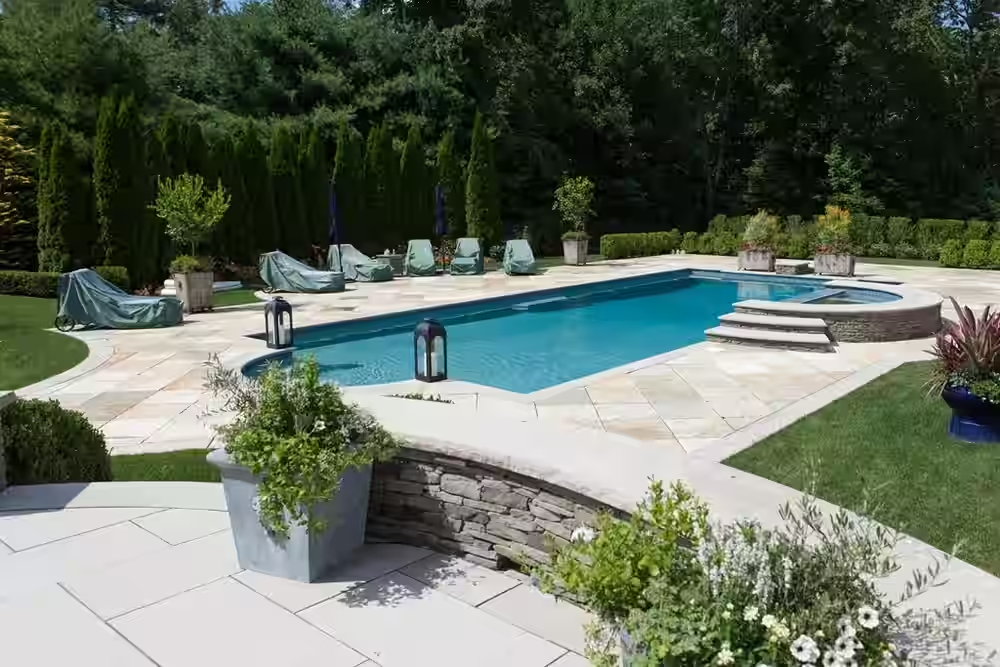
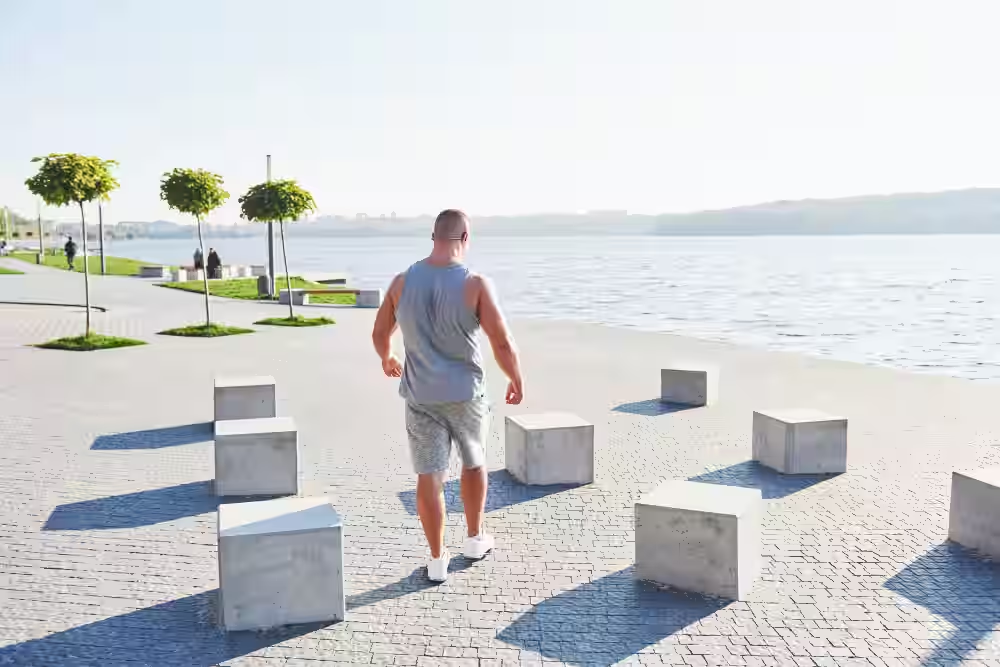
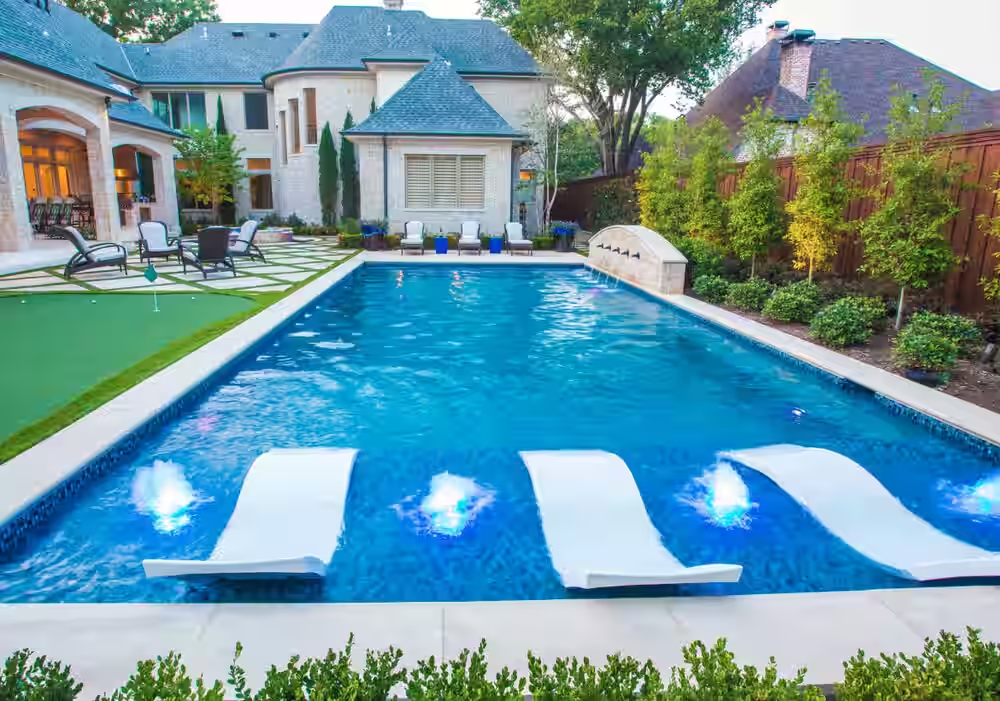
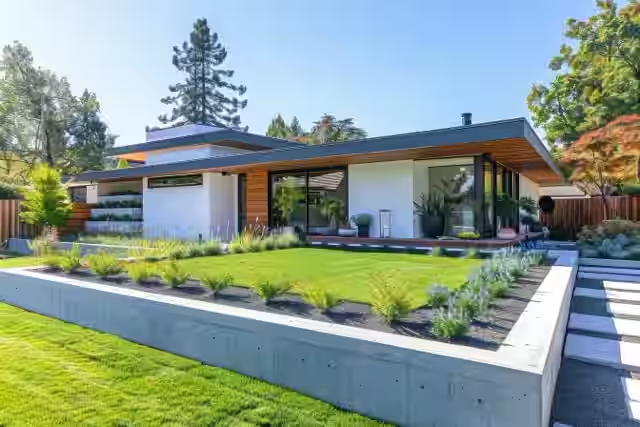
Concrete used to be the plain, practical choice. Not anymore. Clean lines, smooth finishes and simple shapes have turned it into a favorite for modern homes. If you love a minimal, contemporary look, modern concrete design can give your patio, walkway or driveway a sleek style that still holds up to New England weather.
What Is Modern Concrete Design?
Modern concrete design uses clean lines, large slabs, smooth or lightly textured finishes and neutral colors to create a simple, contemporary look. It often pairs concrete with wood, steel, gravel or grass to add contrast while keeping the overall design calm and uncluttered.
Instead of trying to look like stone or brick, modern concrete celebrates its own look. The beauty is in the simple shapes, sharp edges and careful finishing.
Modern concrete also works well in small spaces. Clean lines and simple shapes make a narrow side yard or a compact patio feel bigger and more organized. And because concrete is poured in place, it can be shaped to fit tight spots that would be hard to fill with pavers or stone.
Popular Modern Concrete Finishes
Each finish gives a different feel. Here are some of the most popular options for homes.
| Finish | Look | Best Uses |
|---|---|---|
| Smooth or trowel finish | Sleek and minimal | Covered patios, steps |
| Light broom finish | Clean with subtle texture | Walkways, driveways, pool decks |
| Exposed aggregate | Small stones visible on top | Driveways, pool decks, walkways |
| Sandblasted or acid-washed | Soft, natural texture | Patios and accent areas |
| Large-format slabs with grass joints | Modern stepping-stone look | Paths and side yards |
Outdoors, safety matters. Very smooth finishes can be slick when wet, so a light texture or non-slip sealer is a smart choice for walkways and pool areas.
Color is part of the modern look too. Integral color mixed into the concrete gives an even tone all the way through, so chips and wear are less noticeable. Popular choices include charcoal, soft gray and warm beige, which pair nicely with wood, black metal and green plantings.
Design Ideas for a Modern Look
Small design choices make a big difference with modern concrete:
- Keep shapes simple, like rectangles and long straight lines
- Use large slabs with narrow gravel or grass gaps between them
- Add wide floating steps to connect levels
- Pair concrete with horizontal wood fences or steel planters
- Use low, warm lighting along edges and steps
- Stick to a neutral color palette of grays and soft tones
For more inspiration, our post on concrete design trends for residential homes shows how homeowners are using concrete inside and out.
Like any concrete, modern surfaces need a solid base and good drainage. Clean lines show every flaw, so careful forming, smooth edges and properly placed control joints are especially important. Saw-cut joints can even become part of the design, creating a neat grid that looks like large tiles.
How PCA Outdoor Living Creates Modern Concrete Spaces
PCA Outdoor Living designs and pours concrete patios, walkways, driveways, steps and pool decks across Eastern Massachusetts. We show your design in 3D, build on a strong, well-drained base and use mixes made for freeze and thaw, so your clean lines stay clean for years.
If you're ready to bring modern concrete design to your home, contact PCA Outdoor Living and let's create something simple and stunning.
Frequently Asked Questions
1. Is modern concrete durable in cold climates?
Yes, when it's air-entrained, properly cured and sealed. These steps help it handle freeze and thaw.
2. Can concrete be colored for a modern look?
Yes. Integral color and stains can create soft grays, charcoal and warm neutral tones.
3. Is smooth concrete slippery?
It can be when wet. A light broom finish or non-slip sealer is better for outdoor walking areas.
4. What is exposed aggregate concrete?
It's concrete with the top layer removed to show small stones underneath, creating a textured, natural look.
5. Does modern concrete need sealing?
Sealing every few years protects the surface from water, stains and salt.