
Latest News & Updates
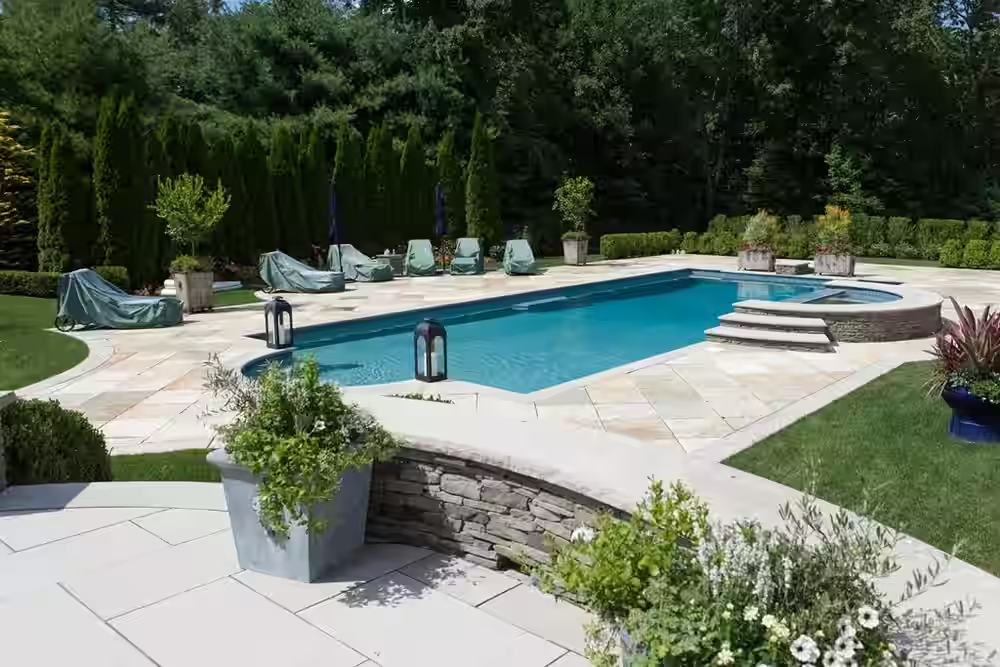

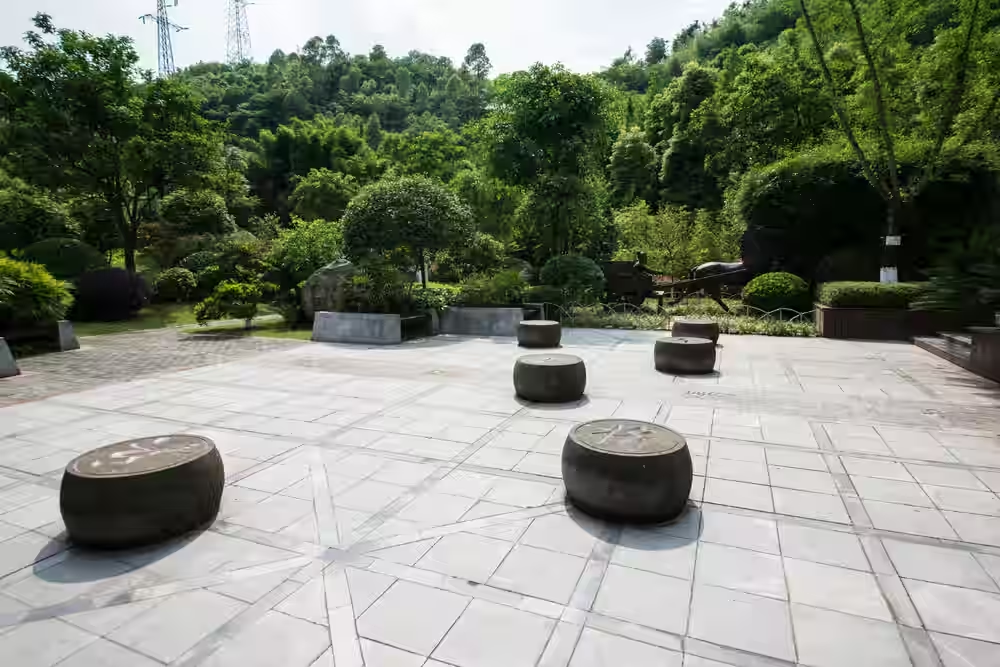
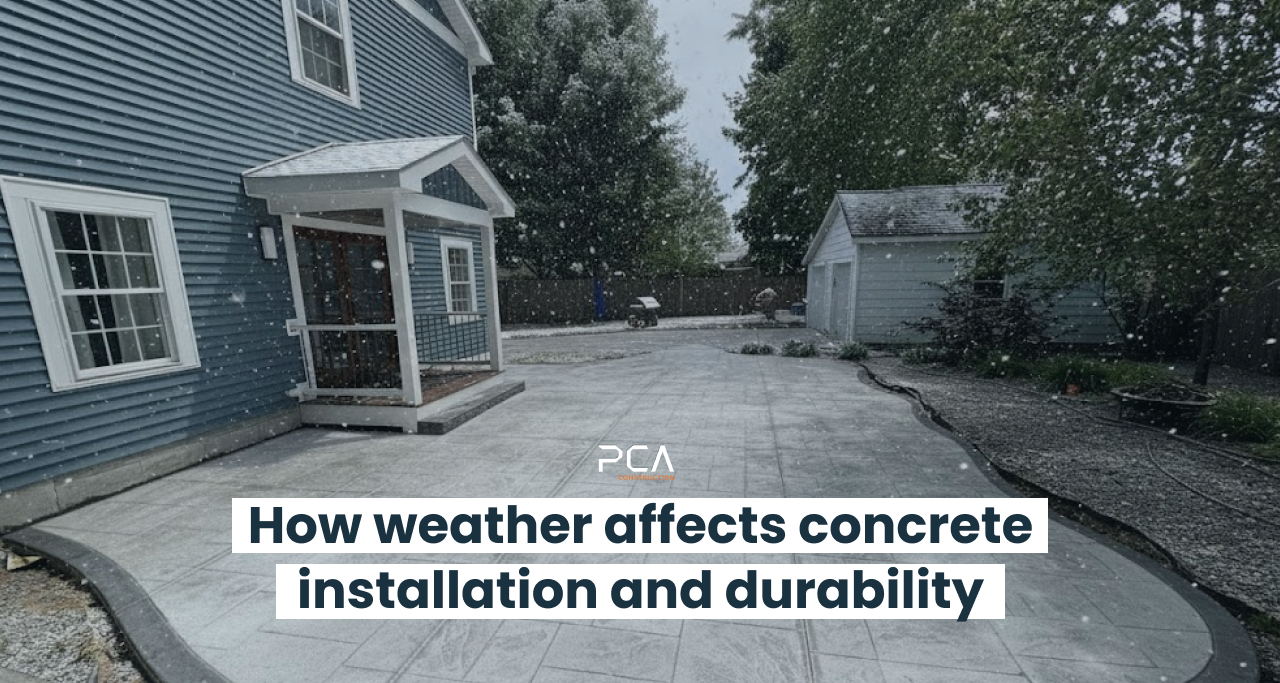
When it comes to installing a new driveway or patio, most people think about style or cost first. Rarely do they think about the weather, but weather affects concrete more than you’d expect.
Plenty of homeowners surprised by how rain, heat, or cold can mess with freshly poured concrete. That’s why choosing stamped concrete for driveways and patios and knowing how to handle the weather can save you a lot of headaches.
Why Weather Affects Concrete?
Concrete isn’t magic, it’s a mixture of cement, water, and rocks that needs the right conditions to cure properly. Too much heat? It dries too fast, cracks can appear. Too cold? Water can freeze and weaken the concrete.
One client of mine had a patio ruined by a sudden spring shower. They were eager to get their backyard done, but the rain diluted the mix and caused a rough surface. That’s a lesson many homeowners learn the hard way.
When you use stamped concrete, you get durability and beauty, but it still needs proper care during installation, especially when the weather isn’t ideal.
Seasonal Challenges
Here’s a quick, real-world look at how each season can affect concrete:
- Spring: Showers are common. Wet ground can make it tricky to level the concrete, and timing becomes everything.
- Summer: The sun and heat can speed up curing. If you’re not careful, cracks may appear. Covering the surface and using curing compounds helps.
- Fall: Generally mild, which is great. But sudden frost or rain can still catch you off guard.
- Winter: Cold is the trickiest. Pouring concrete in freezing temperatures is a gamble unless you use heated blankets or enclosures.
Even the best concrete can fail if these things aren’t considered. That’s why experience matters.
Quick Tips to Protect Your Concrete
You don’t need to be an expert to help your concrete last longer. Here are some simple things to keep in mind:
- Avoid pouring during extreme heat or freezing cold.
- Cover freshly poured concrete if rain is expected.
- Work with professionals who know how to adjust the mix for the weather.
- Seal the concrete after curing to protect it from moisture and UV rays.
- Keep an eye out for tiny cracks and repair them before they grow.
Even little steps like these make a huge difference in how your stamped concrete driveway or patio performs over time.
Even after your concrete looks finished, the weather doesn’t just stop. Hot sun, sudden rain, or freezing nights can sneak in and cause cracks or weaken it over time.
That’s why getting the mix right, pouring at the right time, and sealing it properly makes a huge difference. Stamped concrete can handle a lot, but a little care goes a long way.
Bottom Line
Weather can affect concrete more than most people realize. But with stamped concrete for driveways and patios and proper installation practices, you can avoid cracks, uneven surfaces, and other common problems.
Compared to asphalt or plain concrete, stamped concrete offers beauty, durability, and low maintenance, making it a smart choice for homeowners.
If you want a driveway or patio that looks amazing and stands up to whatever weather comes your way, stamped concrete for driveways and patios is the way to go. At PCA Concrete, we specialize in creating stunning, durable surfaces that last for decades.
Give us a call today to schedule a consultation. Let’s make your driveway or patio both beautiful and weather-proof.