
How to Maintain Outdoor Concrete Surfaces Year-Round




Concrete is tough, but it isn't maintenance-free. Massachusetts weather puts driveways, patios and pool decks through a lot: freezing nights, road salt, summer heat and plenty of rain. A little outdoor concrete maintenance each season keeps surfaces looking clean and helps them last for many years.
What Does Outdoor Concrete Maintenance Involve?
Outdoor concrete maintenance means keeping the surface clean, sealed and dry, and catching small cracks before they grow. Most of the work is simple: sweeping, washing, resealing every few years and being careful with deicers in winter.
The goal is to stop water from getting into the concrete. When water soaks in and freezes, it expands and causes flaking, scaling and cracks. A good sealer and quick repairs keep that water out.
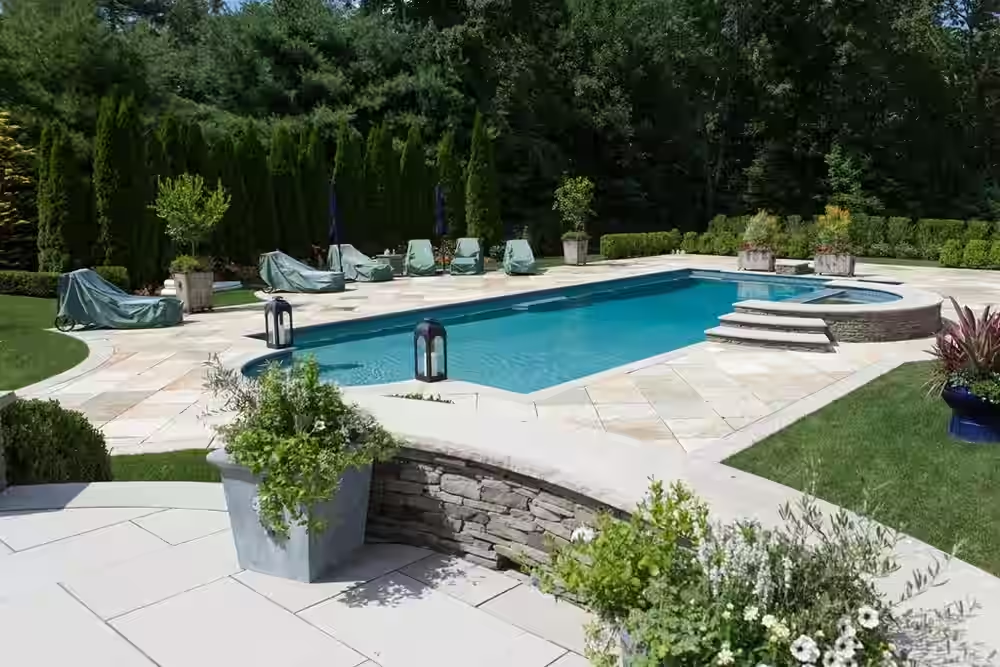
Different surfaces need slightly different care. Driveways deal with car weight, oil drips and plows. Patios face furniture, grills and spilled food. Pool decks get splashed with chlorinated or salt water every day in summer. Knowing what each area goes through helps you focus on the right steps, like degreasing the driveway or rinsing the pool deck more often.
A Season-by-Season Checklist
Breaking the work down by season makes it easy to stay on top of it. Here's a simple routine for homes in Massachusetts.
| Season | What to Do | Why It Helps |
|---|---|---|
| Spring | Wash off winter salt and dirt, check for new cracks | Salt left on the surface keeps damaging it |
| Summer | Clean stains quickly, reseal if water no longer beads | Sealer protects against oil, sun and rain |
| Fall | Clear leaves, fill small cracks, check drainage | Leaves stain, and open cracks fill with ice |
| Winter | Shovel early, use gentle deicers, avoid metal blades | Less ice and salt means less surface damage |
A quick test for sealer: sprinkle some water on the concrete. If it beads up, the sealer is still working. If it soaks in and darkens the surface, it's time to reseal.
If you're not sure which sealer to use, ask whoever installed the concrete. Stamped and colored surfaces usually need a different sealer than plain broom-finished concrete. Using the wrong product can leave a cloudy film or make the surface slippery.
Habits That Make Concrete Last Longer
Beyond the seasonal checklist, a few everyday habits protect your investment.
- Keep downspouts pointed away from driveways, patios and walkways
- Don't let water pond on the surface after storms
- Wipe up oil, grease and rust spots before they set in
- Avoid parking heavy trucks or equipment near edges
- Use plastic shovels or rubber-edged blades in winter
Small cracks are normal over time, but they shouldn't be ignored. Filling them early is cheap and quick. Left alone, they let water in and grow every winter. You can read more about what causes damage in our post on common concrete problems and how to prevent them.
It also helps to walk around your property once or twice a year with a simple checklist. Look for new cracks, low spots where water sits, edges that are breaking off and places where soil has washed away next to the slab. Catching these early usually means a small, quick repair instead of a bigger project later.
How PCA Outdoor Living Keeps Concrete in Top Shape
PCA Outdoor Living installs, repairs and resurfaces driveways, patios, walkways and pool decks across Eastern Massachusetts. We can seal new or existing concrete, fix cracks and restore worn surfaces so they look great again. If a surface is beyond repair, we'll tell you honestly and help you plan a replacement.
Need help with outdoor concrete maintenance or repairs at your home? Contact PCA Outdoor Living and we'll take a look.
Frequently Asked Questions
1. How often should outdoor concrete be sealed?
Many surfaces need resealing every two to three years, but it depends on sun, traffic and the type of sealer. The water bead test is a good guide.
2. Is rock salt bad for concrete?
It can be, especially on newer concrete. Gentler deicers or sand are safer choices for driveways and patios.
3. Can I pressure wash concrete?
Yes, with care. Use a moderate setting and keep the nozzle moving so you don't etch the surface.
4. When should cracks be repaired?
As soon as you notice them, ideally before winter. Small cracks are easy to fill and stop water from getting in.
5. How do I remove oil stains from a driveway?
Soak up fresh oil with cat litter, then use a degreaser made for concrete. Older stains may need a few treatments.